

-
-
-
News Updates
Want to learn a musical instrument? How should you choose? A comparison of several widely popular instruments.
Release date:
2023-05-25 14:54
Author:
As society has evolved, music education has shifted from being a “high‑end, elite” pursuit more than a decade ago to a widely sought‑after activity that helps children cultivate their interests. Many adults, too, aspire to pick up an instrument in their spare time, fulfilling the musical dreams they put aside in their youth.
As society has evolved, music education has shifted from being a “high‑end, elite” pursuit more than a decade ago to a widely sought‑after activity that helps children cultivate their interests. Many adults, too, aspire to learn a musical instrument in their spare time, fulfilling the musical dreams they put aside in their youth.
So, with so many instruments to choose from, how should you decide?
It’s simple: choose the instrument you love.
Today, I’d like to compare several widely popular instruments in terms of price, ease of entry, expressiveness, and suitability for performance. Of course, beyond the instruments I’m highlighting, there are many others—but judging from enrollment trends at music schools, their overall popularity remains relatively low. For example, if you want to learn the clarinet, it might still be manageable in major first-tier cities, but even finding a teacher in fourth- or fifth-tier county towns can be a real challenge.
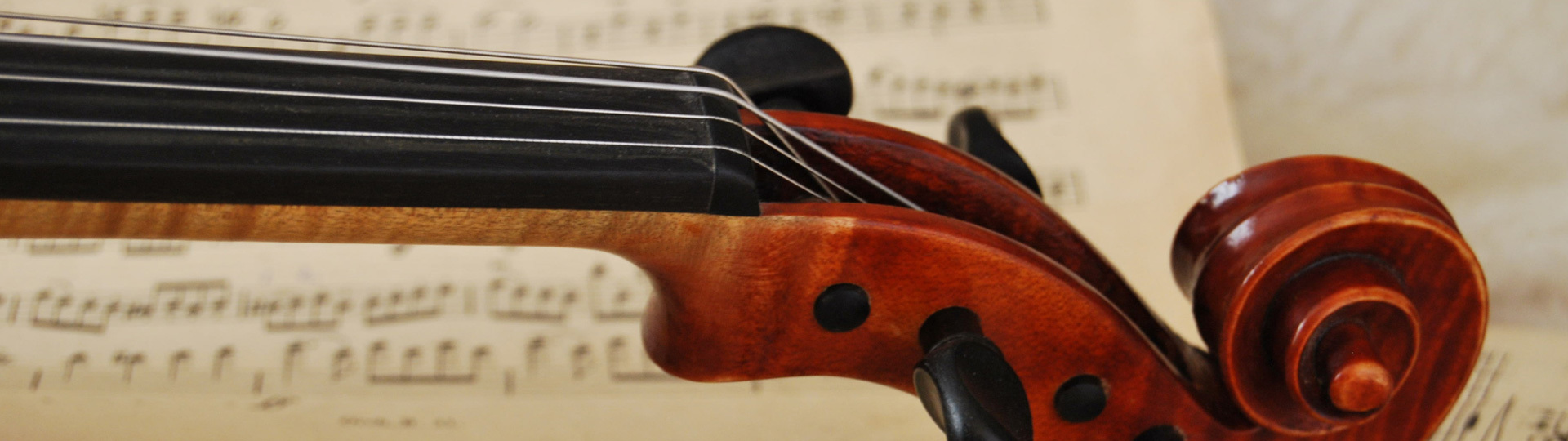
The violin is a musical instrument that most people are familiar with; entry-level violins are quite affordable, often costing less than 1,000 yuan.
The violin is known as the “queen of instruments” because it can express both fiery passion and tender sweetness with equal perfection.
Its lyrical, expressive tone never feels monotonous, even when played solo without other instruments. Moreover, the violin is compact and easy to carry, allowing you to take it anywhere for performances.
However, compared with the instruments listed above—and indeed with the vast majority of musical instruments—the violin has the highest initial learning curve: First, In terms of playing posture, the violin requires the head to be tilted to one side while holding the instrument; failure to take adequate breaks and allow for recovery may adversely affect the cervical spine and shoulders. Secondly The violin’s fingerboard has no frets, which means you can’t see the note positions as clearly as on a piano or guitar; instead, the player must rely on their ear to determine whether each note is properly fingered. There are also strict requirements for the right-hand bowing technique.
Many children, even after years of violin lessons, still produce a sound that resembles sawing wood, or their playing is riddled with pitch errors throughout the entire piece. I have a friend who has been making music for many years and has excellent pitch; yet after a year of cello study, he still tends to hit a few wrong notes when he plays.
Keywords:
Haiyi Musical Instruments
Leave a Message Online
Providing your phone number and email address will help us contact you promptly and resolve your issue as quickly as possible.
Recommended News


Company Address: South City Development Zone, Wuqiang Town, Wuqiang County, Hebei Province
Phone:0318-3833388
Fax:0318-3891222
Email:sales@haiyimusic.com

Scan to learn more about us.
Hebei Haiyi Musical Instruments Co., Ltd. Website Development:China Enterprise Dynamics Shijiazhuang SEO Business license